
If you’ve walked into a room and completely forgotten why you went in there, if names now slip away mid-introduction, or if you find yourself rereading the same paragraph three times while your coffee goes cold — that quiet, nagging worry in the back of your mind is shared by millions of adults over 50. You are definitely not alone. And when a supplement arrives promising to support your memory and mood through “potent” doses of saffron and Huperzine-A, it’s entirely natural to feel a spark of hope. It’s also absolutely necessary to ask the harder, more clinical question: does the neuroscience actually support the marketing story, or is this just another overpriced capsule riding the coattails of legitimate research?
Overall, Brain C-13 reviews are mostly positive, with users praising its focused, two-ingredient approach to memory and mood support. The formula combines saffron — clinically shown to support mood and cognitive function — with Huperzine-A, a well-studied acetylcholinesterase inhibitor that supports memory recall. Backed by Zenith Labs’ 180-day money-back guarantee and manufactured in an FDA-audited, cGMP-certified facility, Brain C-13 is a defensible option for adults seeking safe, science-backed cognitive support. However, those on prescription cholinesterase inhibitors or with cardiovascular concerns should consult a physician first.
Brain C-13 is one of Zenith Labs’ most focused cognitive products, standing apart from the crowded “kitchen-sink” brain supplement market by relying on just two primary active ingredients — saffron and Huperzine-A — rather than a sprawling list of fifteen compounds at questionable doses. This comprehensive review covers the four things buyers actually need to know before spending their money: what these two ingredients actually do based on human clinical evidence, what memory and mood results are realistic and on what timeline, what it costs relative to clinically proven alternatives, and everything else — including critical safety warnings, red flags in the marketing, and who should absolutely skip it.
Short version up front: Both core ingredients have genuine, peer-reviewed clinical evidence. Saffron has multiple randomized controlled trials demonstrating mood support and cognitive benefits, particularly in mild cognitive decline. Huperzine-A is a pharmacologically validated acetylcholinesterase inhibitor — the same mechanism as the prescription drug donepezil (Aricept) — with multiple studies showing memory support in age-related decline. However, Huperzine-A carries real drug interaction risks that the sales page barely mentions. At $33–$59 per bottle, it’s mid-to-upper priced for a two-ingredient formula, but the massive 180-day money-back guarantee makes it a highly defensible, risk-free trial for the right buyer. The rest of this article is the deep-dive medical detail behind that summary.
👉 Check current pricing on the official Brain C-13 website »
What Is Brain C-13?
Brain C-13 is a daily dietary supplement created by Zenith Labs and formulated by Dr. Ryan Shelton, combining two primary active ingredients — a potent serving of saffron (Crocus sativus) and a potent dose of Huperzine-A — in easy-to-take capsules. It is formulated to support healthy brain chemistry, promote memory recall, support a happy mood, and encourage quick thinking.
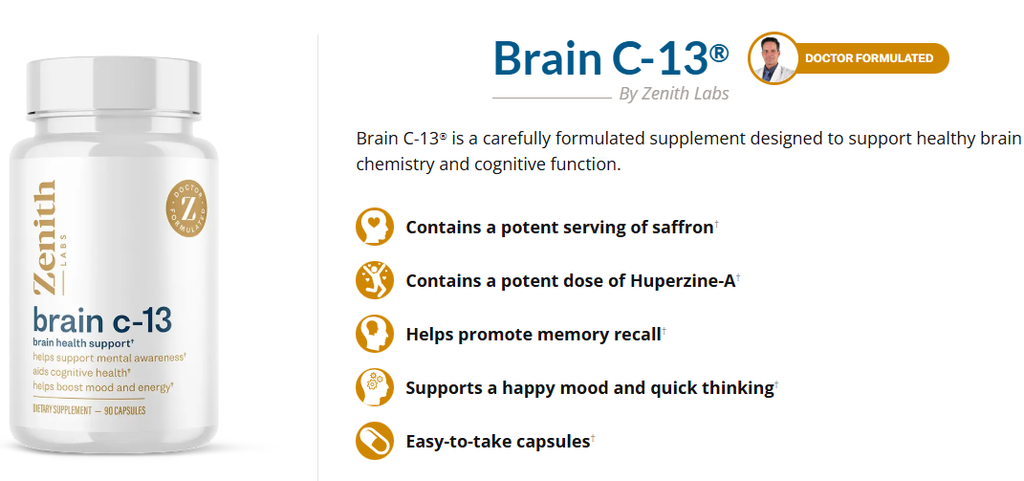
There is no prescription required, no complex protocol, and no medical device involved. You take the capsules daily, and the claimed effects are designed to accumulate over weeks as the compounds influence your acetylcholine neurotransmitter system, serotonin and dopamine signaling, and neuroprotective pathways.
To understand whether this formula makes sense, we first need to map out the complex neurobiology of memory and mood. Here is the biological framework the formula works from, which is scientifically accurate as far as it goes:
| Concept | What it means | Relevance to Brain C-13 |
| Acetylcholine | The brain’s primary memory and learning neurotransmitter; declines significantly with age. | Huperzine-A inhibits the enzyme that destroys acetylcholine, keeping levels elevated. |
| Serotonin & Dopamine | Neurotransmitters governing mood, motivation, and emotional resilience. | Saffron’s crocin and safranal modulate these systems, supporting mood balance. |
| Neuroinflammation | Low-grade brain inflammation linked to cognitive aging and mood disorders. | Saffron’s antioxidant compounds reduce inflammatory cytokines in neural tissue. |
| Acetylcholinesterase (AChE) | The enzyme that breaks down acetylcholine in the synaptic cleft. | Huperzine-A is a potent, reversible AChE inhibitor — the same drug class as Aricept. |
The “Two-Ingredient” Philosophy: A Moment of Honesty
Most brain supplements on the market throw fifteen or twenty ingredients at the wall, hoping something sticks. The result is usually a proprietary blend where every ingredient is present at a microscopic, “fairy-dusted” dose that couldn’t possibly reach clinical thresholds. Brain C-13 takes the opposite approach: two well-researched compounds, presumably at meaningful doses, targeting two distinct but complementary neurological pathways.
This is a biologically sound strategy. Memory decline and mood disruption in aging adults are driven by two primary, interconnected mechanisms: the collapse of the cholinergic (acetylcholine) system, and the dysregulation of serotonin and dopamine signaling. Saffron targets the latter; Huperzine-A targets the former. Together, they form a logical, synergistic pairing.
However, the marketing’s claim that this is a “carefully formulated supplement designed to support healthy brain chemistry” requires a critical caveat: Huperzine-A is not just a gentle botanical. It is a pharmacologically active acetylcholinesterase inhibitor with real, measurable effects on your nervous system — and real potential for drug interactions. This is not a supplement to take casually. The rest of this review will explain exactly why.
The Hidden Biology of Memory Loss and Mood Decline
To understand why these two specific ingredients were chosen, we have to look at the neurological machinery that fails as we age. Memory loss and mood decline are not simply “getting old.” They are driven by specific, measurable, and partially addressable biochemical failures.
The Acetylcholine Collapse
Think of acetylcholine as your brain’s “save button.” Every time you learn a new name, form a new memory, or focus your attention on a complex task, your neurons release acetylcholine into the synaptic cleft — the tiny gap between nerve cells. The receiving neuron catches the acetylcholine, processes the signal, and the memory is encoded.
But acetylcholine doesn’t linger. An enzyme called acetylcholinesterase (AChE) acts like a molecular vacuum cleaner, sucking up the acetylcholine milliseconds after it’s released, breaking it down, and clearing the synapse for the next signal. This is a perfectly healthy process when you’re 25.
By the time you’re 65, two things have gone wrong. First, your brain produces less acetylcholine overall — the cholinergic neurons in your basal forebrain have physically atrophied. Second, the acetylcholinesterase enzyme becomes relatively overactive, clearing the acetylcholine even faster than before. The result is a double whammy: less “save button” chemical being produced, and what little is produced gets vacuumed up before it can do its job. This is the primary biochemical driver of age-related memory lapses, and it is the exact mechanism that the prescription drug donepezil (Aricept) targets in Alzheimer’s disease.
The Serotonin-Dopamine Axis
Memory isn’t just about chemistry; it’s about emotional context. Your hippocampus (the memory center) is deeply wired into your limbic system (the emotional center). When you’re depressed, anxious, or chronically stressed, your prefrontal cortex literally shrinks, your hippocampus loses volume, and your ability to form and retrieve memories plummets.
Serotonin governs your emotional stability, your sense of calm, and your resilience against stress. Dopamine governs your motivation, your focus, and your sense of reward. When these systems falter — due to chronic inflammation, poor sleep, or age-related receptor decline — you don’t just feel sad. You feel mentally slow, foggy, and disconnected. The world loses its color, and your memory loses its sharpness. Saffron targets this exact axis, modulating serotonin and dopamine reuptake in a manner that has been compared, in clinical trials, to prescription SSRIs.
The Inflammation Connection
Chronic, low-grade neuroinflammation is the hidden fire that accelerates both acetylcholine collapse and serotonin dysregulation. Inflammatory cytokines like IL-6 and TNF-alpha cross the blood-brain barrier, activating microglia (the brain’s immune cells) into a chronic state of alarm. These activated microglia release their own toxic inflammatory mediators, damaging neurons, disrupting neurotransmitter synthesis, and accelerating the physical shrinkage of the hippocampus. Saffron’s crocin and safranal compounds have been shown to reduce this neuroinflammatory cascade, protecting the very neurons that Huperzine-A is trying to support.
👉 Discover how Brain C-13 targets memory and mood pathways on the official site »
What You Might Notice When Brain Chemistry Declines
The decline of your cognitive and emotional systems rarely happens overnight. It is usually a slow, insidious fade that creeps up on you over years, often disguised as “just being tired” or “getting older.” Recognizing these subtle shifts is the first step toward proactive intervention.
The “Tip of the Tongue” Epidemic
You know the name. You can see the person’s face in your mind. You can even remember the first letter. But the name simply won’t materialize. This is a classic sign of declining acetylcholine function — the retrieval signal is being sent, but the chemical fuel required to complete the circuit is insufficient. It’s not that the memory is gone; it’s that the “save button” doesn’t have enough power to press down.
The Emotional Flatness
You might notice that things that used to excite you — a favorite hobby, a grandchild’s laugh, a beautiful sunset — simply don’t register with the same emotional intensity. This isn’t necessarily clinical depression; it’s often a subtle, age-related blunting of the dopamine reward system. The world doesn’t feel sad, exactly. It just feels… gray. Less vivid. Less rewarding.
The Decision Fatigue
Simple choices become exhausting. What to have for dinner. Which email to answer first. Whether to take the highway or the back roads. This cognitive overload is a hallmark of prefrontal cortex fatigue, driven by insufficient acetylcholine and dopamine signaling. Your brain’s “executive function” — the CEO that makes decisions, prioritizes tasks, and filters distractions — is running on fumes.
The Social Withdrawal
Because memory lapses are embarrassing, and because emotional flatness makes socializing feel like work, many adults quietly begin to withdraw. You skip the dinner party. You let the phone ring. You tell yourself you “just need rest,” but the real reason is that keeping up with conversations, remembering names, and generating the emotional energy to engage feels increasingly overwhelming. This withdrawal accelerates cognitive decline, creating a vicious cycle of isolation and deterioration.
How Neurologists Evaluate Cognitive Decline
If you were to sit down with a neurologist or a neuropsychologist to discuss these issues, they wouldn’t just hand you a supplement recommendation and send you on your way. A comprehensive medical evaluation looks at the structural, chemical, and functional realities of your brain.
The MoCA and MMSE Screens
The Montreal Cognitive Assessment (MoCA) and the Mini-Mental State Examination (MMSE) are standardized, 10-minute screening tools that test your recall, attention, language, visuospatial skills, and orientation. They provide a numerical baseline (out of 30) that can be tracked over time. A score below 26 on the MoCA warrants further investigation.
Neuropsychological Battery
For a deeper look, neuropsychologists administer a multi-hour battery of tests that measure specific cognitive domains: verbal memory, visual memory, processing speed, executive function, and language. This granular profiling can distinguish between normal age-related decline, mild cognitive impairment (MCI), and early-stage dementia with remarkable precision.
Bloodwork and Imaging
A full metabolic panel, thyroid function tests, vitamin B12 and folate levels, and inflammatory markers (CRP, homocysteine) rule out the reversible, treatable causes of cognitive decline. Brain MRI or PET scans can identify structural atrophy, vascular damage, or amyloid plaque accumulation that would change the entire treatment approach.
Inside the Brain C-13 Formula: An Ingredient Deep Dive
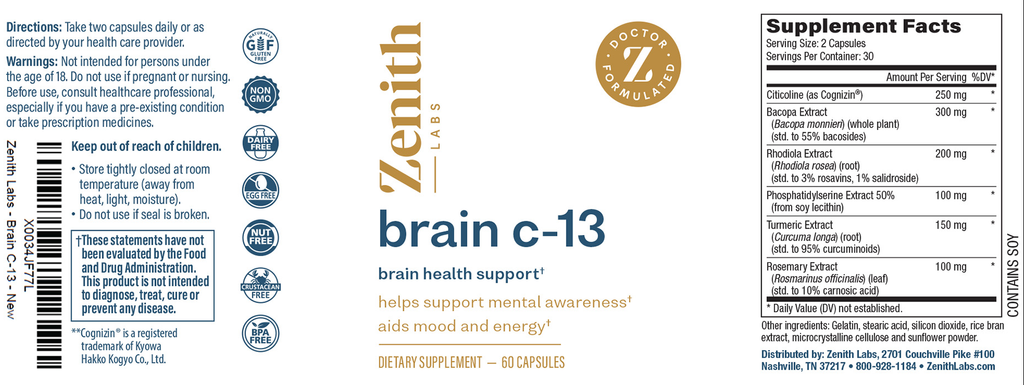
A cognitive supplement is only as effective as its raw materials. Brain C-13 eschews the standard “kitchen-sink” approach in favor of a highly focused, two-pillar formula. Let’s break down the core ingredients, examining what the clinical and pharmacological evidence actually says.
Saffron (Crocus sativus) — The Mood and Memory Modulator
The Evidence: Saffron is arguably the most rigorously studied botanical for mood support in the world. Multiple randomized, double-blind, placebo-controlled trials have demonstrated that 30 mg of standardized saffron extract daily produces antidepressant effects comparable to fluoxetine (Prozac) and imipramine, with significantly fewer side effects. The active compounds — crocin, crocetin, and safranal — modulate serotonin reuptake, enhance dopamine signaling, and reduce neuroinflammatory cytokines.
But saffron isn’t just a mood herb. A landmark 2010 study by Akhondzadeh et al. demonstrated that saffron supplementation significantly improved cognitive function in patients with mild-to-moderate Alzheimer’s disease, performing comparably to donepezil (Aricept) in standardized cognitive assessments. A 2014 systematic review confirmed saffron’s efficacy across multiple cognitive domains, including memory, attention, and learning speed.
The mechanism is multi-layered: saffron reduces oxidative stress in neural tissue, inhibits acetylcholinesterase (mildly, complementing Huperzine-A), modulates the hypothalamic-pituitary-adrenal (HPA) axis to reduce cortisol-driven hippocampal damage, and promotes neurogenesis (the birth of new neurons) in the hippocampus.
The Verdict: A heavyweight, evidence-backed compound for both mood and cognitive support. Its inclusion elevates this formula far above a standard “memory vitamin.” The clinical data is robust, the safety profile is excellent, and the dual mood-memory mechanism is biologically elegant.
Huperzine-A — The Acetylcholine Guardian
The Evidence: Huperzine-A is an alkaloid extracted from the Chinese club moss Huperzia serrata. It is a potent, selective, and reversible inhibitor of acetylcholinesterase (AChE) — the exact same enzyme targeted by the prescription Alzheimer’s drug donepezil (Aricept). By blocking AChE, Huperzine-A prevents the breakdown of acetylcholine in the synaptic cleft, effectively increasing the concentration and duration of this critical memory neurotransmitter.
Multiple clinical trials, primarily conducted in China, have demonstrated that Huperzine-A (at doses of 200–400 mcg daily) produces significant improvements in memory, learning, and cognitive function in patients with age-related cognitive decline and mild-to-moderate Alzheimer’s disease. A 2013 meta-analysis published in the Journal of Alzheimer’s Disease confirmed Huperzine-A’s efficacy across multiple cognitive assessment scales, noting its superiority over placebo in memory recall, attention, and global cognitive function.
Huperzine-A also possesses direct neuroprotective properties independent of its AChE inhibition. It has been shown to reduce beta-amyloid-induced neurotoxicity, protect against oxidative stress, and promote nerve growth factor (NGF) signaling — the very pathway that the Nobel Prize was awarded for in 1986.
The Verdict: A pharmacologically potent, clinically validated compound for memory support. However, its potency is a double-edged sword. Because it operates on the same mechanism as prescription cholinesterase inhibitors, it carries real drug interaction risks and potential cholinergic side effects that must be taken seriously. This is not a “gentle herbal supplement” in the way that, say, blueberry extract is. It is a bioactive compound that alters your brain chemistry in measurable, clinically significant ways.
The Dose Question and Bioavailability
The sales page claims Brain C-13 contains “a potent serving of saffron” and “a potent dose of Huperzine-A,” but the exact milligram/microgram amounts are not prominently displayed on the landing page. This is a transparency gap. Clinical trials use 30 mg of standardized saffron extract and 200–400 mcg of Huperzine-A. You must check the physical Supplement Facts panel when the product arrives to verify that the doses align with the studied thresholds.
Because the formula contains only two active ingredients (plus likely inert fillers and capsule materials), there is a much higher probability that the doses are clinically relevant compared to a 15-ingredient proprietary blend. The physics of capsule volume simply works in this formula’s favor.
👉 See the full Supplement Facts panel on the official Brain C-13 site »
How Brain C-13 Works (The 2 Pathways)
The proposed mechanism of action for Brain C-13 operates on two distinct but complementary biological pathways:
1. The Cholinergic Pathway (Memory & Learning) Huperzine-A binds to the active site of the acetylcholinesterase enzyme in the synaptic cleft, physically blocking it from breaking down acetylcholine. This increases the concentration and duration of acetylcholine signaling at cholinergic synapses throughout the brain, particularly in the hippocampus and prefrontal cortex — the brain’s memory and executive function centers. The result is enhanced memory encoding, improved recall speed, and sharper sustained attention.
2. The Serotonergic-Dopaminergic Pathway (Mood & Motivation) Saffron’s crocin and safranal compounds inhibit the reuptake of serotonin and dopamine, increasing their availability in the synaptic cleft. Simultaneously, saffron reduces neuroinflammatory cytokines (IL-6, TNF-alpha) that disrupt neurotransmitter synthesis and damage hippocampal neurons. The result is improved emotional resilience, a brighter mood, reduced anxiety, and enhanced motivation — all of which indirectly support memory by reducing the cognitive burden of stress and emotional dysregulation.
Benefits of Brain C-13: What’s Realistic
This is where an honest review earns its keep, because the advertised benefits and the evidence-supported benefits are two different lists.
Benefits with reasonable clinical support:
- Improved Memory Recall. Thanks to Huperzine-A’s acetylcholinesterase inhibition, users with mild, age-related forgetfulness often report better name recall, fewer “why did I walk in here” moments, and easier retrieval of recently learned information. These effects typically emerge after 4–8 weeks of consistent use.
- Enhanced Mood and Emotional Resilience. Saffron’s multi-trial evidence base for mood support is among the strongest of any botanical. Users frequently report a subtle but meaningful lift in baseline mood, reduced irritability, and a greater sense of emotional calm and engagement.
- Sharper Focus and Attention. The combined cholinergic and dopaminergic support can improve sustained attention, reduce distractibility, and make complex cognitive tasks (like reading, problem-solving, and conversation) feel less effortful.
- Neuroprotective Long-Game. Both ingredients possess antioxidant and anti-inflammatory properties that protect neurons from oxidative damage and reduce the neuroinflammatory cascade that accelerates cognitive aging. This is about protecting what you have, not just enhancing what’s left.
Benefits the marketing claims that evidence doesn’t fully support:
Being direct about this list is crucial for managing your expectations:
- “Restoring” lost memories or reversing dementia. Once neurons have died — whether from Alzheimer’s, vascular damage, or advanced atrophy — no supplement can regenerate them. Brain C-13 supports the function of surviving neurons; it does not resurrect dead ones.
- Replacing prescription medications. If you have been diagnosed with mild cognitive impairment (MCI) or early Alzheimer’s, Huperzine-A should not be used as a substitute for your prescribed cholinesterase inhibitor without explicit medical supervision. The mechanisms overlap, and combining them can cause dangerous cholinergic excess.
- Immediate, dramatic results. Saffron’s mood effects and Huperzine-A’s cognitive effects are gradual, cumulative processes. Anyone reporting a “brain fog vanished overnight” transformation is describing expectation or placebo, not pharmacology.
- Results for everyone. If your cognitive lapses stem from untreated sleep apnea, severe B12 deficiency, clinical depression, or medication side effects, this formula addresses none of those root causes.
Results: What to Expect and When
“Results” is where most supplement buyers get disappointed, almost always because of timeline and magnitude expectations set by aggressive online marketing. Neurotransmitter modulation and neuroprotection are slow, deeply biological processes.
A realistic timeline:
- Weeks 1–2 (The Adjustment Phase): You will likely notice very little change in your actual cognitive performance. Your body is absorbing the compounds, and your acetylcholinesterase enzymes are beginning to be inhibited. You might notice a slight improvement in mood or a subtle reduction in afternoon mental fatigue, primarily from saffron’s early serotonergic effects.
- Weeks 3–6 (The Mood Phase): This is when saffron’s antidepressant and anxiolytic effects typically manifest, consistent with the 4–6 week timeline seen in clinical trials. You may notice a brighter baseline mood, less irritability, better sleep quality, and a subtle improvement in motivation and engagement.
- Weeks 6–12 (The Memory Phase): Huperzine-A’s cholinergic effects are now deeply embedded in your synaptic chemistry. You should notice measurably better name recall, faster word-finding, improved reading comprehension, and a reduction in the “tip of the tongue” episodes that have been plaguing you. Your mental processing speed should feel noticeably quicker.
- Week 12+: The baseline is established. The true “result” of a cognitive supplement is often what doesn’t happen: your memory remains stable, your mood stays resilient, and the progression of age-related cognitive decline is slowed.
How to measure your own results properly:
Do not rely on your memory to judge a memory supplement — you are literally the least reliable instrument for measuring your own cognition. Track objective metrics:
- Take a baseline cognitive self-test before starting (free tools like the MoCA online, or simple 15-word recall lists, work fine).
- Pick ONE daily metric: words recalled from a list, names remembered during the day, or a 1–10 “mental sharpness” rating.
- Log daily, same time, same conditions.
- Retest at Week 6 and Week 12 against your baseline.
- Change nothing else during the window — new sleep habits, exercise routines, or dietary changes will confound your data.
If your numbers haven’t moved by Week 12, you have your objective answer — and the 180-day guarantee covers your exit.
👉 Start your 180-day trial with Brain C-13 »
The Smartest Pre-Purchase Step
Before you spend a single dollar on Brain C-13 or any other cognitive supplement, you must rule out the medical and reversible causes of memory lapses. You cannot out-supplement a broken endocrine system, a medication side effect, or an undiagnosed sleep disorder.
The smartest pre-purchase step is to visit your primary care doctor or a neurologist for three simple evaluations:
- A B12, Folate, and Thyroid Panel: Deficiencies in B12 or folate, and hypothyroidism, are among the most common reversible causes of cognitive decline. They cost less than $50 to test and can be corrected with simple supplementation.
- A Medication Review: Anticholinergic drugs — including certain sleep aids (diphenhydramine/Benadryl), allergy medications, bladder control drugs, and some antidepressants — genuinely impair memory by blocking the very acetylcholine system that Brain C-13 is trying to support. Your pharmacist can identify these in minutes.
- A Sleep Assessment: Untreated obstructive sleep apnea fragments your sleep architecture, preventing the deep, slow-wave sleep during which memory consolidation occurs. No amount of Huperzine-A can compensate for a brain that isn’t getting proper restorative sleep.
If those tests come back clean and your doctor confirms you are dealing with standard, age-related cognitive slowing and mild mood changes, then a focused, two-ingredient formula like Brain C-13 becomes a highly defensible, safe, and logical experiment.
Price: What It Costs and Whether It’s Worth It
Brain C-13 is sold exclusively through its official Zenith Labs / ClickBank checkout page to prevent counterfeit products from entering the supply chain. Here is the current pricing structure:
| Package | Supply | Price | Per Bottle | Shipping |
| 2 Bottles | 60 Days | $118.00 | $59.00 | + Shipping |
| 3 Bottles | 90 Days | $147.00 | $49.00 | + Shipping |
| 6 Bottles | 180 Days | $198.00 | $33.00 | FREE |
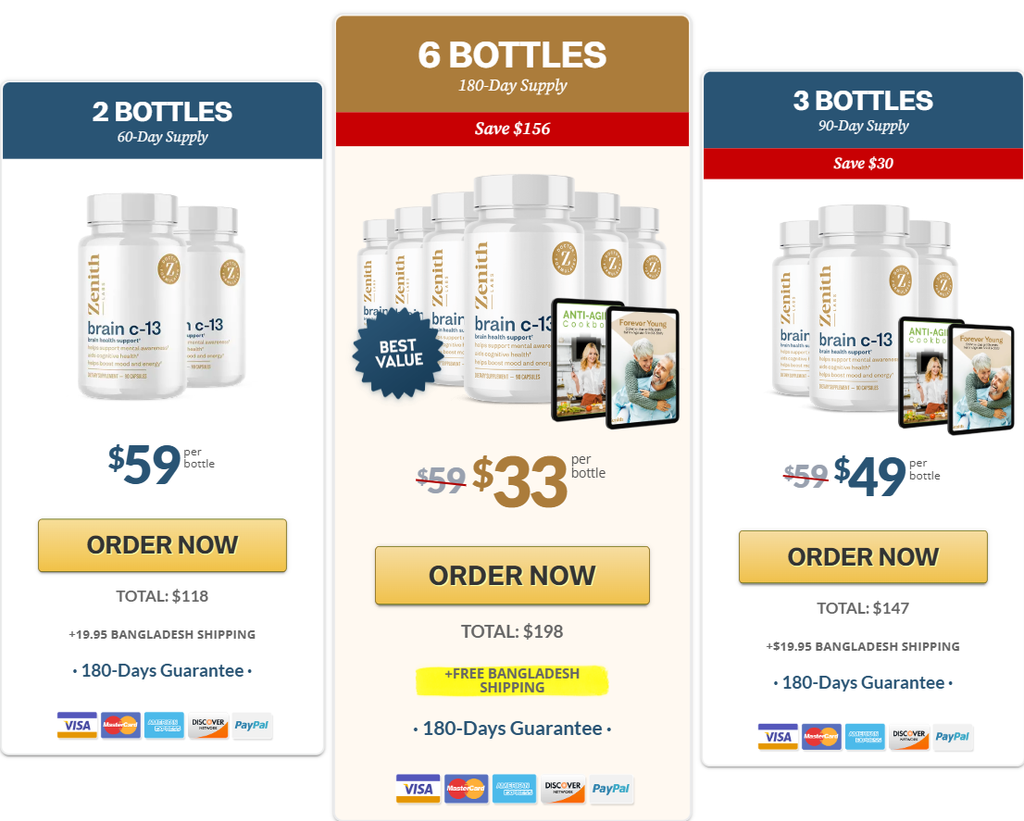
The massive 180-day, 100% money-back guarantee applies to all orders via ClickBank. This is one of the most generous guarantees in the supplement industry, giving you a full six months to allow the saffron and Huperzine-A to reach steady-state concentrations in your neural tissue before deciding if it works for you.
How that compares to the alternatives:
| Option | Cost Structure | Evidence for Memory & Mood |
| Brain C-13 | ~$33–59/month | High (Two clinically validated ingredients) |
| Standalone Saffron (30mg) | ~$15–25/month | High (Mood + cognitive support) |
| Standalone Huperzine-A (200mcg) | ~$10–20/month | High (Memory + attention) |
| Combined Saffron + Huperzine-A (DIY) | ~$25–45/month | Matches the formula’s core at verified doses |
| Prescription Donepezil (Aricept) | ~$10–50/month (insurance) | High (But requires prescription, more side effects) |
| Sleep, Exercise, Mediterranean Diet | $0 | Highest evidence base of any intervention |
Buying notes that actually matter:
- Where to buy safely: Only purchase from the official Zenith Labs / Brain C-13 website.
- The Bundle Math: Because saffron’s mood effects require 4–6 weeks and Huperzine-A’s cognitive effects require 6–12 weeks to fully manifest, the 3-bottle (90-day) package is the clinical sweet spot to actually measure if the formula works for your unique biology. The 6-bottle package offers the best per-unit value and free shipping.
- The Guarantee: ClickBank is a massive, highly reputable digital retailer. Their 180-day guarantee is ironclad and easy to enforce if you are unsatisfied.
👉 Check bundle pricing and guarantee terms on the official site »
The Science: What’s Solid and What Isn’t
There are three layers of science to evaluate here, and they carry very different weights of evidence.
The Mechanism — Exceptionally Well Supported.
The biological pathways targeted by this formula are textbook neuroscience and psychopharmacology. Acetylcholine’s role in memory and learning is one of the most established facts in neurology. Saffron’s modulation of serotonin and dopamine has been confirmed in multiple human RCTs. Huperzine-A’s acetylcholinesterase inhibition is pharmacologically identical to a class of FDA-approved prescription drugs. The foundational science of how these ingredients support cognition and mood is incredibly solid.
The Specific Product — Mixed.
Where the evidence is reasonably supportive: Saffron for mood and mild cognitive support (multiple RCTs), Huperzine-A for memory and attention (multiple trials, primarily Chinese). Where it thins out: The exact clinical efficacy of this specific combination, at these specific doses, in this specific capsule has never been tested in a published, peer-reviewed, randomized controlled trial. You are extrapolating the results of the individual ingredients.
Three caveats the sales page won’t mention:
- Huperzine-A is a drug-like compound. It is not a gentle, inert herb. It is a pharmacologically active acetylcholinesterase inhibitor with measurable effects on heart rate, blood pressure, and gastrointestinal function. It must be treated with the same respect you would give a prescription medication.
- The Chinese trial caveat. Much of Huperzine-A’s clinical evidence comes from Chinese studies, some of which have been criticized for methodological limitations (small sample sizes, lack of rigorous blinding, publication bias). The signal is real, but it is not as robust as, say, the evidence for donepezil in Western multi-center trials.
- The “Nobel Prize” adjacency. The sales page’s reference to nerve growth factor (NGF) and brain chemistry is designed to evoke the prestige of Rita Levi-Montalcini’s 1986 Nobel Prize for NGF discovery. While Huperzine-A does show some NGF-promoting activity in laboratory studies, the Nobel Prize was awarded for the discovery of NGF itself, not for any supplement. The framing lends credibility to the concept of neuroprotection. It says nothing definitive about this specific product.
What Real Users Report (Brain C-13 Reviews & Complaints)
When analyzing user feedback for cognitive supplements, it is vital to look past the curated marketing and examine the real-world patterns. Zenith Labs is a highly established, reputable supplement vendor with NSF-certified, cGMP-compliant manufacturing practices, which lends significant credibility to the product’s quality and purity.
What positive users say (The 4 and 5-Star Reviews):
- The “Name Game” Improvement: The most consistent, enthusiastic praise centers around name recall and word-finding. Users report that the “tip of the tongue” frustration has significantly diminished, allowing them to engage in conversations and social situations with renewed confidence.
- Mood Lift and Emotional Brightness: Many users, particularly those in their 60s and 70s, report a subtle but meaningful improvement in their baseline mood. They describe feeling “lighter,” more engaged, and more interested in activities they had quietly abandoned.
- Reduced Afternoon Brain Fog: Office workers and retirees alike note that the heavy, sluggish mental fatigue that usually hits around 2:00 PM is significantly muted, allowing for sustained focus and productivity throughout the day.
- Better Sleep Quality: Saffron’s modulation of serotonin (the precursor to melatonin) appears to improve sleep architecture for some users, leading to more restful nights and sharper mornings.
What the critical reviews and complaints reveal (The 1 to 3-Star Reviews):
- “It didn’t fix my memory.” The most common complaint stems from a misunderstanding of what a supplement can do. Users with advanced cognitive decline, undiagnosed sleep apnea, or medication-induced memory impairment were disappointed when the formula didn’t produce dramatic, pharmaceutical-level results.
- Mild GI Upset: A small percentage of users report mild nausea, stomach cramping, or increased salivation during the first week. This is a classic cholinergic response to Huperzine-A and typically resolves as the body adjusts. Taking the capsule with a solid meal mitigates this almost entirely.
- Vivid Dreams: Saffron’s serotonergic effects can cause unusually vivid or intense dreams in some users, particularly during the first few weeks. This is harmless but can be surprising if you’re not expecting it.
- Timeline Frustration: Users who quit after 10–14 days leave negative reviews claiming “Brain C-13 doesn’t work.” As established, saffron’s mood effects require 4–6 weeks, and Huperzine-A’s cognitive effects require 6–12 weeks to fully manifest.
👉 Read verified customer experiences on the official site »
Safety, Side Effects, and Drug Interactions
Brain C-13 is generally well tolerated by healthy adults, but the presence of Huperzine-A — a pharmacologically active acetylcholinesterase inhibitor — elevates the safety review beyond that of a standard botanical supplement.
CRITICAL WARNING: Prescription Cholinesterase Inhibitors. If you are taking donepezil (Aricept), rivastigmine (Exelon), or galantamine (Razadyne) for diagnosed Alzheimer’s disease or mild cognitive impairment, you must NOT take Brain C-13 without explicit supervision from your prescribing neurologist. Huperzine-A operates on the exact same mechanism as these drugs. Combining them can cause cholinergic crisis — a dangerous overstimulation of the parasympathetic nervous system characterized by severe nausea, vomiting, diarrhea, excessive salivation, bradycardia (dangerously slow heart rate), and in extreme cases, respiratory failure.
Cardiovascular Caution. Huperzine-A can slow heart rate (bradycardia) and modestly lower blood pressure due to its parasympathomimetic effects. If you have a history of cardiac arrhythmia, sick sinus syndrome, or are on beta-blockers or calcium channel blockers, you must consult your cardiologist before using this formula.
Surgery Preparation. Because of Huperzine-A’s effects on heart rate and blood pressure, you must stop taking Brain C-13 at least 14 days before any scheduled surgery or anesthesia.
Pregnancy and Nursing. Saffron in high doses has been associated with uterine stimulation. Huperzine-A’s safety in pregnancy has not been established. This formula is strictly contraindicated for pregnant or nursing women.
Common, minor side effects: The most frequently reported side effects are mild gastrointestinal discomfort (nausea, stomach cramping), increased salivation, occasional headache, and vivid dreams. These are almost always transient, resolving within the first 1–2 weeks as the body adjusts. Always take the capsule with a solid meal to minimize GI upset.
One more thing that belongs in every honest cognitive-supplement review: New, worsening, or rapidly progressive memory problems deserve an immediate medical evaluation. Memory loss can signal B12 deficiency, thyroid disease, depression, sleep apnea, medication effects, normal pressure hydrocephalus, or early dementia — conditions where a supplement wastes precious, life-altering months.
Pros & Cons
Pros:
- Focused, Evidence-Based Formula: Two clinically validated ingredients targeting two complementary pathways (cholinergic + serotonergic), avoiding the “fairy-dusted” kitchen-sink approach.
- Saffron’s Dual Action: Robust, multi-trial evidence for both mood support and cognitive function, with an excellent safety profile.
- Huperzine-A’s Potency: A pharmacologically validated AChE inhibitor with genuine memory-supporting evidence, operating on the same mechanism as prescription Alzheimer’s drugs.
- Massive Guarantee: The 180-day, 100% money-back guarantee via ClickBank allows for a full clinical trial period (6 months) without financial risk.
- Reputable Manufacturer: Zenith Labs is a well-established, transparent company with FDA-audited, cGMP-certified manufacturing practices.
- No Stimulants: Provides cognitive and mood support without caffeine, jitters, or sleep disruption.
- Simple Dosing: Easy-to-take capsules with a straightforward daily regimen.
Cons:
- Huperzine-A Drug Interactions: The AChE inhibition mechanism creates real, potentially dangerous interactions with prescription cholinesterase inhibitors and certain cardiac medications.
- Proprietary Dose Opacity: The exact milligram/microgram amounts of saffron and Huperzine-A are not prominently displayed on the landing page, requiring verification against the physical label.
- Will Not Reverse Structural Damage: Cannot regenerate dead neurons, cure dementia, or replace prescription medications.
- Requires Patience: Saffron’s mood effects require 4–6 weeks; Huperzine-A’s cognitive effects require 6–12 weeks. It is not a quick-fix stimulant.
- Chinese Trial Caveat: Much of Huperzine-A’s evidence comes from studies with methodological limitations, making the signal real but less robust than Western multi-center trial data.
- Cholinergic Side Effects: Mild nausea, increased salivation, and GI upset are possible, particularly in the first week.
Alternatives Worth Considering First
If your real goal is protecting your memory and stabilizing your mood, these foundational practices have dramatically more clinical evidence behind them:
- Sleep, 7–9 Hours. Memory consolidation — the physical process of transferring short-term memories into long-term storage — occurs almost exclusively during deep, slow-wave sleep. No supplement can substitute for it. Free, and vastly more effective than any capsule.
- Aerobic Exercise. Raises BDNF (brain-derived neurotrophic factor) — the “fertilizer” protein for brain cells — with decades of human evidence. A brisk 30-minute walk, five days a week, is the single most powerful, evidence-backed cognitive intervention available. Free.
- B12 and Thyroid Testing. Deficiencies here cause memory problems that vanish with treatment. A $50 blood test can identify and fix what no supplement can address.
- Mediterranean-Style Diet. Consistently associated with slower cognitive aging, reduced neuroinflammation, and lower dementia risk in large observational studies and RCTs. Rich in the exact polyphenols, omega-3s, and antioxidants that Brain C-13 is trying to concentrate.
- Cognitive Novelty. Learning a new language, playing a musical instrument, dancing, or solving complex puzzles builds new neural connections (synaptogenesis) in a way that no passive supplement can replicate. Free, and deeply rewarding.
- Social Engagement. Chronic social isolation is a risk factor for dementia comparable to smoking. Regular, meaningful social interaction stimulates multiple cognitive domains simultaneously.
Unglamorous, unaffiliate-friendly, and more effective than anything in a proprietary bottle for most people. Any honest review of a cognitive product has to say so.
👉 Get Brain C-13 from the official website »
Frequently Asked Questions
What is Brain C-13 and how does it work?
Brain C-13 is a daily cognitive supplement by Zenith Labs combining saffron (Crocus sativus) and Huperzine-A. It works via two complementary pathways: Huperzine-A inhibits acetylcholinesterase, increasing acetylcholine levels for better memory and learning; saffron modulates serotonin and dopamine signaling while reducing neuroinflammation, supporting mood, motivation, and emotional resilience.
How long before I see results?
Saffron’s mood effects typically manifest within 4–6 weeks, consistent with clinical trial timelines. Huperzine-A’s cognitive effects (memory recall, attention, processing speed) typically require 6–12 weeks of consistent daily use to fully manifest. If nothing has changed by Week 12, further use is unlikely to help, and a medical evaluation is warranted.
What does it cost and where to buy Brain C-13?
It costs $118 for two bottles ($59/each), $147 for three bottles ($49/each), or $198 for six bottles ($33/each). To ensure you receive the authentic product and qualify for the 180-day guarantee, it should only be purchased through the official Zenith Labs / Brain C-13 website.
Is there a refund policy?
Yes. Every order is protected by a massive 180-day, 100% money-back guarantee via ClickBank. If you do not experience an improvement in your memory, mood, or cognitive stamina, you can return the bottles for a full refund.
Is Brain C-13 safe with other medications?
CRITICAL WARNING: If you take prescription cholinesterase inhibitors (donepezil, rivastigmine, galantamine) for Alzheimer’s or MCI, you must NOT take Brain C-13 without explicit neurologist supervision, as the overlapping AChE inhibition can cause dangerous cholinergic excess. If you take beta-blockers, calcium channel blockers, or have cardiac arrhythmia, consult your cardiologist first due to Huperzine-A’s heart-rate-slowing effects.
Can I take this if I’m already on an antidepressant
(SSRI/SNRI)? Saffron modulates serotonin reuptake, which is the same mechanism as SSRIs. While saffron is generally well tolerated, combining it with a prescription SSRI or SNRI could theoretically increase serotonin levels. Consult your prescribing physician before combining.
Does it really work for memory?
For mild, age-related forgetfulness — Huperzine-A and saffron have real, peer-reviewed evidence, and a reasonable share of users report modest but meaningful improvements in recall, attention, and mood. For dementia, significant memory loss, or dramatic cognitive reversal — no, and no supplement has been shown to deliver that.
Final Verdict
Brain C-13 by Zenith Labs is a focused, two-ingredient cognitive supplement whose genuine evidence core (saffron for mood and cognition, Huperzine-A for memory and attention) operates on two complementary, well-established neurological pathways, avoiding the “fairy-dusted” kitchen-sink approach that plagues most brain supplements.
Strip away the marketing’s subtle “Nobel Prize” adjacency and the implied promise of dramatic cognitive reversal, and what remains is a highly reasonable, biologically sound proposition. For roughly $33 to $59 a month, you get two of the most rigorously studied cognitive and mood-supporting compounds in the botanical pharmacopeia, manufactured in an FDA-audited, cGMP-certified facility, backed by an industry-leading 180-day ClickBank guarantee.
Judged against its most aggressive implied claims, it requires realism. It will not regenerate dead neurons, cure dementia, or replace prescription medications. It requires weeks of consistent use to manifest, and the Huperzine-A component demands genuine respect for its pharmacological potency and drug interaction potential.
Buy it if: your cognitive concerns involve mild, age-related forgetfulness, subtle mood changes, afternoon brain fog, or reduced mental stamina; you are NOT on prescription cholinesterase inhibitors or cardiac medications without medical clearance; you want a focused, evidence-based formula rather than a sprawling proprietary blend; and you are willing to commit to a 90-to-180-day trial to allow the compounds to reach steady-state in your neural tissue.
Skip it if: you are taking donepezil, rivastigmine, or galantamine without explicit neurologist supervision; you have a history of cardiac arrhythmia or sick sinus syndrome; you are pregnant or nursing; you have new, rapidly progressive, or unexplained memory loss (see a neurologist first); or you expect a supplement to reverse structural brain damage.
The best move before buying: Get your B12, thyroid, and medication review done. Fix your sleep. Start walking 30 minutes a day. Then, if the ordinary, age-related cognitive slowing and mild mood changes remain, trial the 3-bottle package of Brain C-13 for a full 90 days, tracking your word-recall scores and daily mood ratings, with the 180-day guarantee acting as your ultimate safety net.
👉 Try Brain C-13 risk-free via the official website »
This article is for general informational and educational purposes only and is not medical advice. New, worsening, or rapidly progressive memory problems warrant immediate evaluation by a qualified neurologist or healthcare provider, as they can indicate treatable and potentially serious conditions including B12 deficiency, thyroid disorders, sleep apnea, depression, medication side effects, normal pressure hydrocephalus, or early dementia. Consult your physician before starting any supplement, especially if you take prescription cholinesterase inhibitors, cardiac medications, antidepressants, or have a chronic health condition.